
The Most Interesting Local Government Posts We Found This Week
A look at the photos, animals, library programs, and community moments hiding inside 30,800 local government Facebook posts.
3/20/20262 min read
Each week thousands of cities and counties across the United States post updates on Facebook. Some are serious. Some are routine. And some are unexpectedly delightful.
When we reviewed 30,800 local government Facebook posts from the past week, the majority fell into familiar categories, e.g., weather, meetings, updates about road closures and infrastructure work. Those are the bread and butter of local government communication. Check out our last post to learn more.
But tucked among those posts were plenty of moments that reveal something more human about how governments connect with their communities.
One thing that stood out immediately was how often governments share photos. More than 5,600 posts referenced photos in some way. In many cases these were galleries from community events, park programs, school visits, or ribbon cuttings. A city might post a set of photos from a youth sports tournament. A county parks department might share pictures from a trail cleanup. A small town might post snapshots from a local festival.
Scrolling through these posts gives the sense that local government social media often serves as a kind of community scrapbook. These photos document small moments that might otherwise go unnoticed outside the people who were there. Together they create a visual record of everyday civic life.
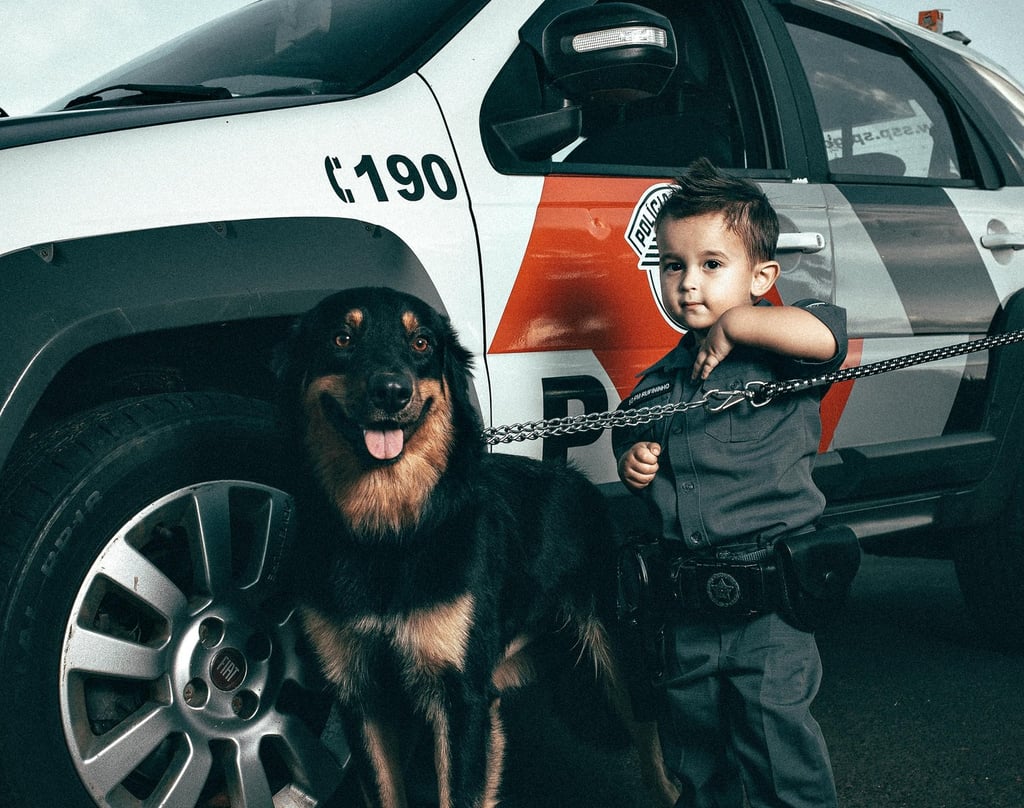
Animals also appear regularly in local government communication. In this week’s dataset we found more than a thousand posts referencing pets, animal shelters, or police K-9 units. For example, the Port Angeles Police Department shared a post about their K-9 assisting another agency. Posts like these often attract strong engagement because residents enjoy seeing the human and community side of local government work.
Libraries also continue to be some of the most energetic communicators in local government. We counted nearly 300 posts referencing libraries during the week. These posts promoted book clubs, technology workshops, children’s reading hours, and community programs. Libraries often manage to strike a tone that is both informative and welcoming, which may explain why their posts frequently feel more conversational than traditional government announcements. The North Little Rock Public Library does this so nicely.
Another recurring theme involved simple expressions of gratitude. Throughout the dataset there were hundreds of posts thanking volunteers, recognizing employees, or congratulating community members. A city might thank residents who helped with a park cleanup. A county might congratulate a local high school robotics team. A police department might recognize an officer for years of service.
These posts may not always attract the most engagement, but they highlight an important role of local government communication. Social media is not just a channel for announcements. It is also a place where governments acknowledge the people who make their communities work.
Of course, the practical side of government communication is never far away. What makes the data interesting is the way these different types of communication appear side by side. A city might post a snow advisory in the morning, photos from a park event in the afternoon, and congratulations to a local student group in the evening. The mix reflects the wide range of responsibilities local governments carry every day.
Looking across thousands of posts at once makes that pattern easier to see. Local government social media is part emergency alert system, part civic notice board, and part community bulletin.
And every once in a while, it is also a place where someone from the parks department posts a photo of a dog who clearly believes he is in charge of the entire operation.